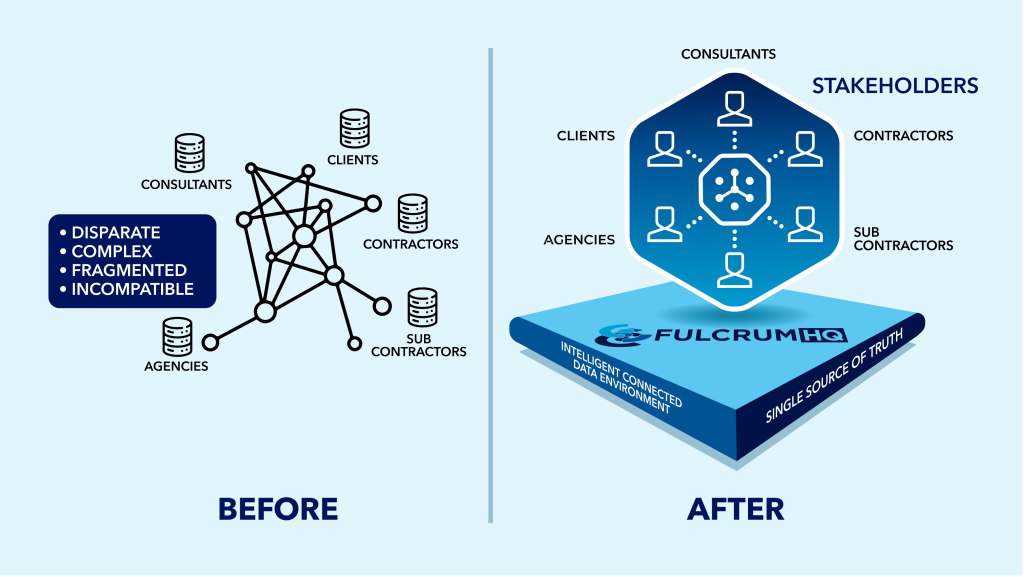
Modern production is unexpectedly moving from conventional planning strategies towards smart, data-driven ecosystems. Projects these days are larger, extra complex, and time-sensitive, which makes accuracy and coordination essential at every stage. Data-centric execution architectures assist production groups in improving decision-making, reducing waste, and obtaining better precision in delivery.
These systems depend on dependent information, predictive fashions, and real-time analytics to control substances, hard work, and scheduling more efficiently. Instead of relying on guide estimation by myself, construction experts now integrate digital intelligence into every segment of challenge execution.
Intelligent Quantity Structuring and Early Planning Accuracy
In any construction venture, success starts with correct design planning. Without particular amount analysis, even the best-managed mission can face delays and value overruns.
At this stage, lumber takeoff plays a key role in converting architectural drawings into material requirements. It guarantees that each issue is measured effectively earlier than procurement starts.
Key Advantages of Structured Planning:
- Reduces material overordering
- Improves procurement timing
- Enhances budget forecasting accuracy
- Minimizes website online-degree waste
Data Flow Overview:
Design Input → Quantity Extraction → Validation Layer → Resource Planning → Execution Phase
This based approach ensures that planning selections are backed by using dependable information in place of assumptions.
Digital Estimation Intelligence and Cost Forecast Accuracy
Once the cloth portions are defined, the following step is remodeling them into economic projections. This is where digital intelligence drastically improves estimation accuracy.
A Construction estimating Company uses superior analytical equipment to combine historical price facts, exertion traits, and cloth pricing fluctuations. This results in extra stable and practical challenge budgets.
Example Cost Breakdown Table properly cleaned and arranged in a professional format:
| Component | Base Cost ($) | Adjustment Factor | Final Cost ($) |
| Materials | 90,000 | +5% | 94,500 |
| Labor | 60,000 | +4% | 62,400 |
| Equipment | 25,000 | +3% | 25,750 |
| Risk Buffer | 10,000 | Predictive | 12,000 |
| Total | 194,650 |
Note:
This structured approach ensures financial transparency and reduces unexpected cost fluctuations during project execution.
Workflow Optimization Through Smart Execution Systems
Efficient creation isn’t just about making plans—it’s miles about execution. Data-centric structures ensure that sources are allocated at the proper time, in the proper quantity, and in the proper collection.
Process Execution Model:
Material Delivery → Site Preparation → Structural Work → Installation → Finishing
Each stage relies upon accurate timing and coordination. Even a small delay in one phase can disrupt the entire workflow.
Key Optimization Benefits:
- Reduced idle hard work time
- Improved material distribution
- Faster venture final touch
- Better coordination across groups
These structures constantly monitor progress and alter schedules dynamically based on real-time updates.
Read more: How Much Does It Cost to Install a Pocket Door?
Real-World Calculation for Precision Planning
Accurate calculations remain a key part of production execution. Data-centric structures enhance this technique with the aid of validating consequences through the use of predictive common sense.
Scenario: Material and Labor Planning Structure
Wall Planning Overview
- Wall Length = 300 feet
- Stud Spacing = 16 inches (1.33 feet)
Step 1: Material Calculation Flow (Diagram)
300 ft Wall Length
↓
Divide by 1.33 ft spacing
↓
225 Base Studs
Base Calculation:
300 ÷ 1.33 = 225 studs
Step 2: Waste Adjustment Flow (Diagram)
225 Base Studs
↓
Apply 10% Waste Factor
↓
Final Requirement = 248 Studs
Waste Calculation:
225 × 1.10 = 248 studs required
Labor Cost Breakdown Table
| Work Type | Hours | Rate ($/hr) | Total Cost ($) |
| Framing | 45 | 25 | 1125 |
| Installation | 30 | 22 | 660 |
| Supervision | 10 | 35 | 350 |
| Total | 2135 |
Process Flow Diagram (Full Execution Model)
Material Planning → Quantity Calculation → Waste Adjustment → Labor Allocation → Execution
Insight
Including a waste factor ensures material availability during execution. Data-driven systems further improve accuracy by analyzing historical project waste trends, helping teams make smarter and more reliable planning decisions.
Predictive Systems and Continuous Improvement
One of the most powerful elements of current production structures is their capacity to learn from past projects. Every completed assignment adds treasured data that improves destiny-making plans’ accuracy.
This is where Construction estimating offerings end up important. They integrate predictive analytics with real-world mission information to refine estimation models continuously.
Key Benefits:
- Improved forecasting over the years
- Reduced undertaking uncertainty
- Better economic manipulation
- Enhanced choice-making velocity
Over time, those systems end up smarter, permitting creation groups to plan with greater confidence and precision.
Read more: Tornado Shelter & Storm Shelter Price, Safety and Installation Costs in 2026
Final Thoughts
Data-centric execution architectures are redefining how creation initiatives are planned and brought. By integrating structured information, predictive analytics, and smart workflows, construction specialists can achieve better accuracy, lower costs, and improved efficiency.
From cloth-making plans to final execution, each level turns into increasingly controlled and predictable. As the enterprise continues to adapt, adopting those intelligent structures is not non-obligatory—it’s miles vital for long-term fulfillment and aggressive advantage.
Frequently Asked Questions
What is a facts-centric execution architecture in construction?
It is a machine that makes use of structured records and analytics to manage planning, resources, and execution efficaciously.
How does it improve creation accuracy?
By using real-time information and predictive models to reduce mistakes and improve decision-making.
Why is cloth planning crucial in creation?
It guarantees accurate, useful resource allocation and stops delays or wastage during execution.
Can these systems lessen production expenses?
Yes, they optimize sources and decrease pointless charges via better planning.